MOSQUITOES
No fewer bites
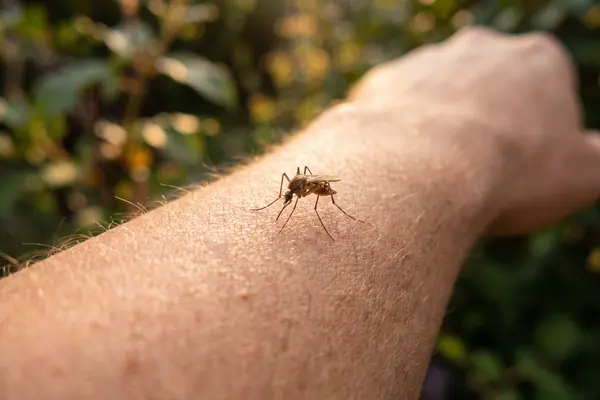
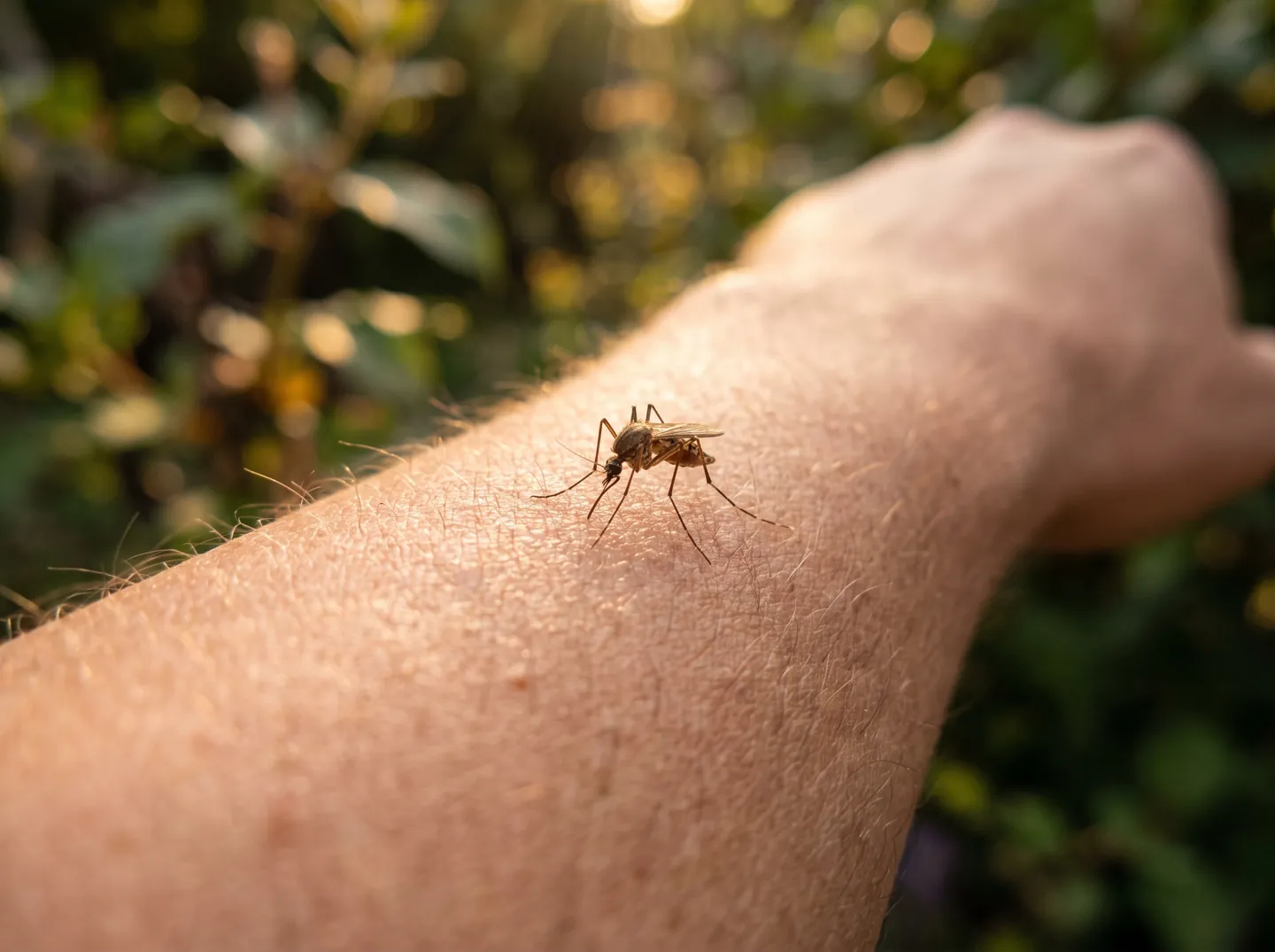
A Cochrane review found 10 field studies of electronic mosquito repellers. All 10 found no difference in mosquitoes landing on people with or without one.
Check a pest doodlesonics
WHAT THE TESTS FOUND
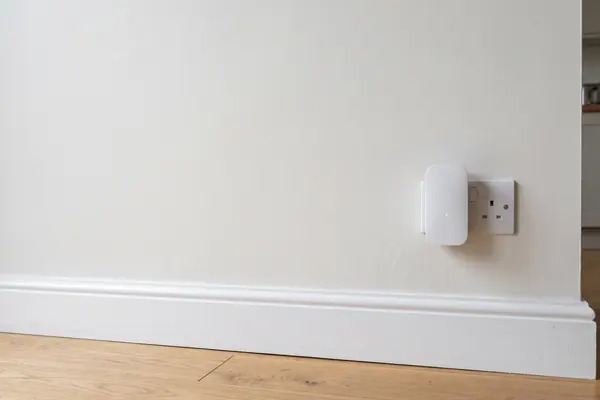
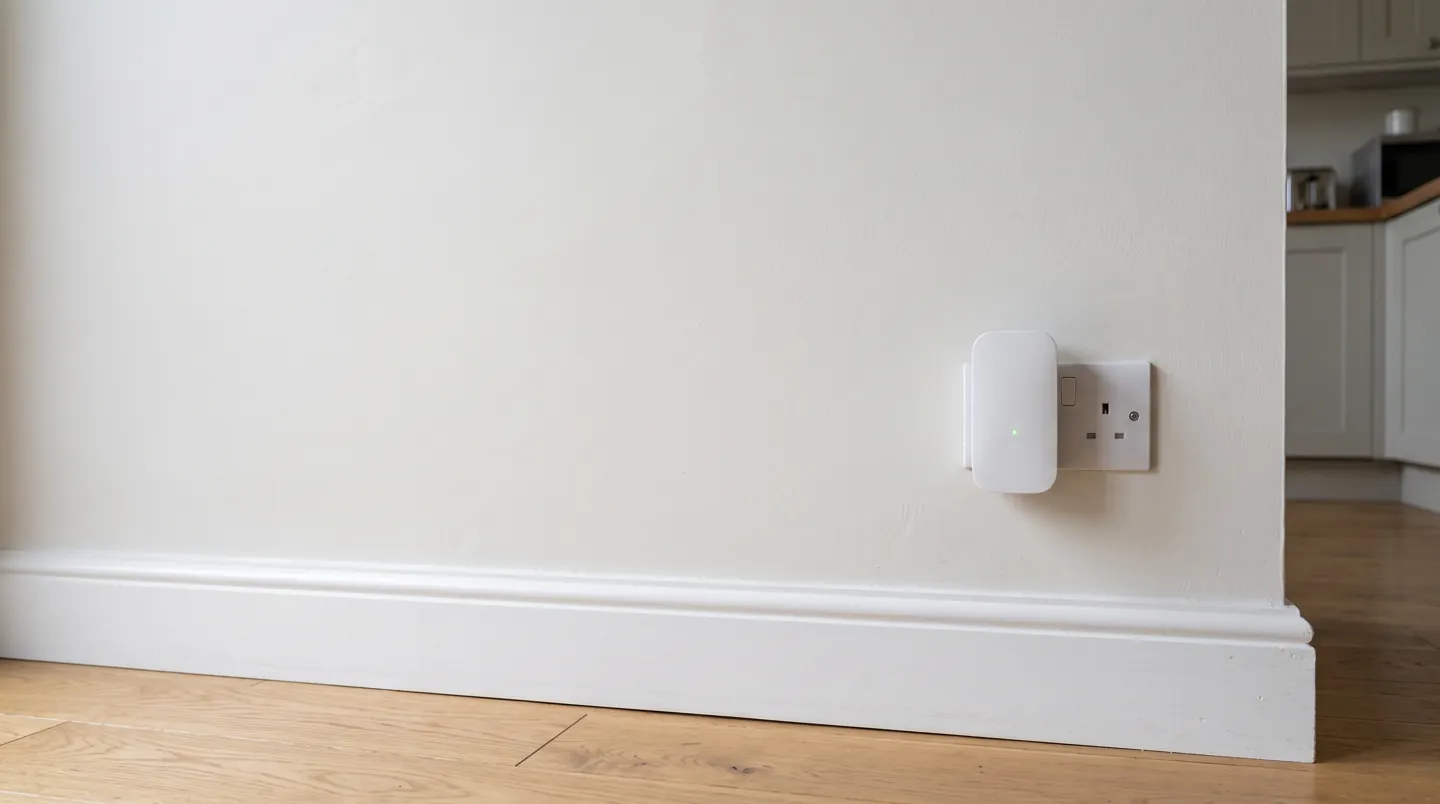
The little box in the socket is silent to you. Researchers say it is mostly ignored by pests too.
TESTED and found wanting
0 of 10 Field studies that found a repelling effect
Ultrasonic repellers are sold to clear homes of mice, cockroaches, spiders and mosquitoes with sound above human hearing. When university entomologists and a Cochrane review put them to the test, the pests kept coming.
THE SHORT ANSWER
Commercial devices have been tested on insects and rodents.
The results point the same way.
MOSQUITOES
A Cochrane review found 10 field studies of electronic mosquito repellers. All 10 found no difference in mosquitoes landing on people with or without one.
Check a pestMICE AND RATS
In an early rat and mouse study the animals showed a mild aversion that faded, especially once food was found near the device. Scientists call this habituation.
See the numbersWHAT WORKS
University of Arizona Extension points to the basics: remove food and water, seal cracks and gaps, use traps and keep food in pest-proof containers.
What to do insteadA QUICK PEST CHECK
Pick a pest to see what tests of commercial ultrasonic or sonic devices found. The bar shows how firmly the research rules them out.
Summarised from University of Arizona Cooperative Extension publication AZ1639 and the Cochrane review of electronic mosquito repellents. Studies tested specific devices; results describe those trials.
WHAT TO DO INSTEAD
Extension advice follows integrated pest management: know the pest, take away what draws it in, block the way in, and only then control what is left.
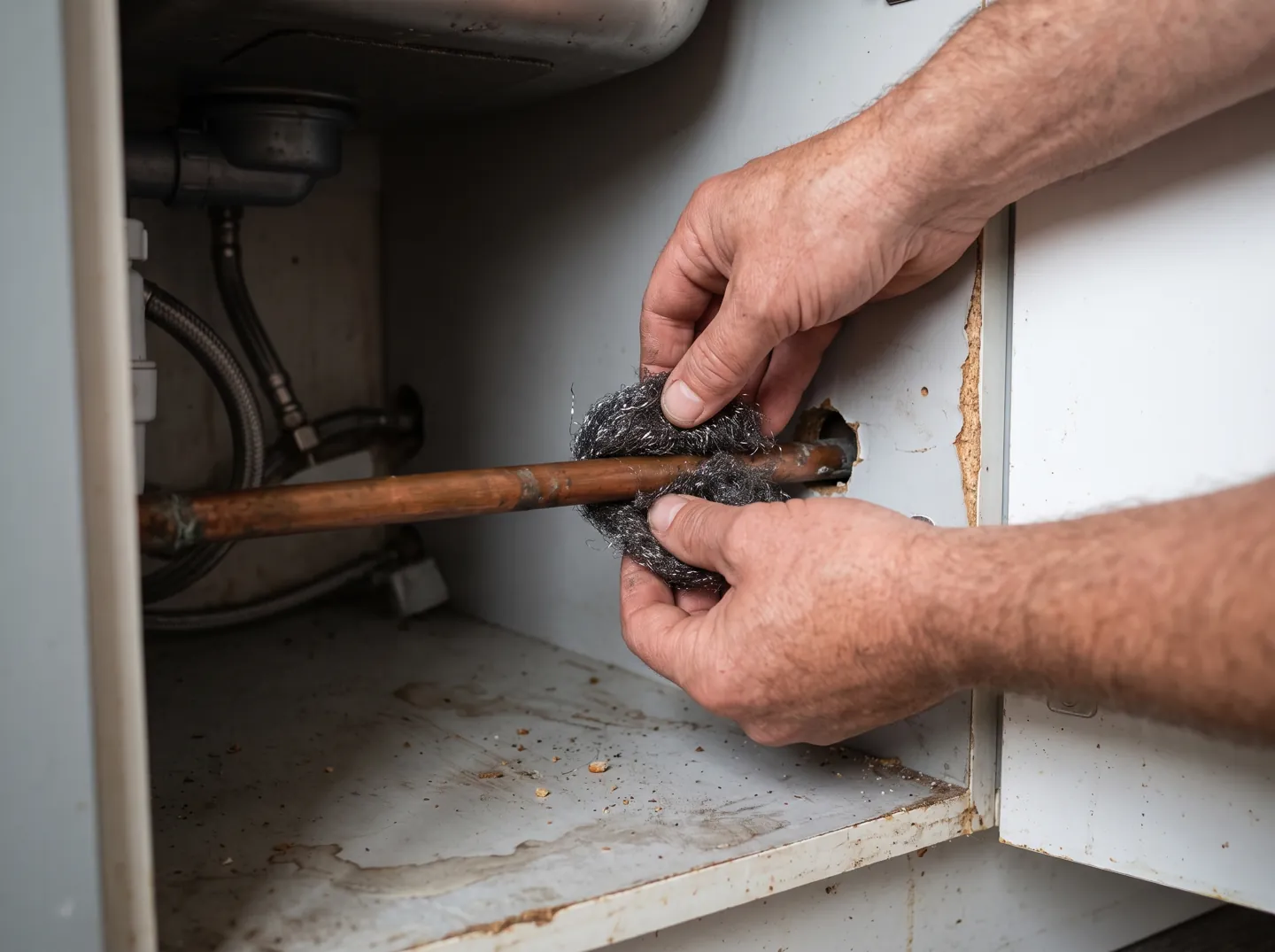
Identify the species and learn how it behaves, so you treat the right problem.
Remove food, water and nesting material, and keep food, including pet food, in pest-proof containers.
Close cracks and gaps around doors, windows and pipes, and clear weedy growth next to the house.
Use traps where needed and keep monitoring, so you can see whether the problem is shrinking.
TWO NUMBERS WORTH KNOWING
One figure from a systematic review,
one from a US consumer regulator.
0 of 10
Field studies that found a repelling effect
All 10 field studies in the Cochrane review found no difference in mosquitoes caught on bare skin with or without an electronic repeller. The authors said there was no evidence to support their use.
MOSQUITO REPELLERS · COCHRANE
60+ firms
Sellers sent warning letters
In May 2001 the US Federal Trade Commission warned more than 60 makers and sellers that efficacy claims for ultrasonic pest devices must be backed by scientific evidence.
ADVERTISING · US FTC, 2001
Between 1985 and 1997 the FTC brought cases against six companies over claims that ultrasonic devices eliminate rodents or repel insects. Its complaints said rodents become accustomed to ultrasound and return to nesting or feeding areas.
WHERE SOUND DOES HELP
Sound is not useless against pests. Researchers have used the specific calls of the target animal: Canada goose alarm calls cut goose numbers by 71% in a 1988 study, and by 96% when paired with noise-making racket bombs.
At Northern Arizona University, playing back southern pine beetles' own stress calls reduced colonisation of pine logs by 72%. The common thread is biologically meaningful sound, not a generic tone from a box in the wall.
Questions
Scientific studies of commercially available devices have not shown them to be effective, according to University of Arizona Cooperative Extension, which advises against using them for common pest problems.
Not for long. In one study rats and mice showed a mild aversion at first, but it faded, especially once they found food near the device. The FTC has said rodents become accustomed to ultrasound and return.
A Cochrane review found 10 field studies and none showed any difference in mosquito landings with or without a device. One study even found bite rates rose by as much as 50% with some devices switched on.
Possibly. University of Arizona Extension notes that although the sound is inaudible to people, other mammals such as dogs can hear ultrasonic sounds.
Extension advice is to remove food, water and nesting material, seal cracks and gaps, store food in pest-proof containers, use traps where needed and keep monitoring. Then check whether the problem is shrinking.
Updated
ABOUT THIS NAME
doodlesonics.com is part of the DoodleSale portfolio. It isn't in an auction right now, but you can ask about leasing it.